The Tesoro coil zipped back and forth over the freshly plowed field. The silence was suddenly broken by several distinct beeps. Found something! The army shovel easily dug into the soil. My excitement grew. As I sifted through the dark dirt, a metallic form appeared—the key to an old GM truck. Ok, I admit, not a huge find, but it does not negate the fun and a good time outdoors.
January, February and March have offered up several mild days this year. Those months are a fine time to get out and do some metal detecting. Last year my next door neighbor bought a metal detector and three weekends ago we set out to hunt the aforementioned field. We found several other items that day: pieces of plows, rifle casings, shotgun casings, pull tabs, etc. But his son stumbled upon a nice arrow head—a tremendous discovery.
I’ve enjoyed this pastime for about six years plus. A very satisfying—and addictive—outdoor hobby. So, I wanted to take a moment and share some things I've learned and let you know about this wonderful activity. Here goes:
What You Need
Buy a decent metal detector. No, you don’t have to buy high-end with all the fancy bells and whistles. My Tesoro Silver uMax has all the basic features and performs great. I purchased mine for around $300. The main ability you want from a detector is a discrimination setting to filter out “junk” metal. And good sensitivity settings. Some use dials and sounds to do this and others employ electronics with digital readouts. Shop around for a quality product. Go check out Tesoro’s website to learn more about detecting and their products: http://www.tesoro.com/
You need a small, but strong shovel. I carry an army shovel found at your local Army Surplus Store. Nice fitting gloves help you dig and sift without cutting your fingers. I also carry a carpenter’s nail pouch around my waist. This is where all my finds, along with junk metal are stored. Don’t just throw junk metal back down. Otherwise, you may be digging it back up in the future. Plus the property owner does appreciate you cleaning up a bit.
Another handy accessory: a set of headphones. These plug into the metal detector and allow you to search without anyone hearing the sounds, but you. I use this at the beach so I won’t disturb my fellow vacationers.
When to Go
I prefer the late fall to early spring timeframe. Bugs are still gone and vegetation is still dormant. While you're there, mix in some shed hunting and preseason scouting for turkeys.
A recent rain makes the soil easy to manage. Also, if looking for arrowheads, the rain helps wash dirt away from the artifact.
Where to Hunt
Always, always follow the laws. Most state parks and federal lands will NOT allow metal detecting. There are stiff fines for not observing these rules.
I try to look for old home sites or abandon roads. A few years ago, I found a stash of wheat pennies buried along an old logging road. In the mix was a 1902 Indian head penny. Other great sites: old outhouses, campsites, farm sites, church grounds, plowed fields, places where social events were held, historic travel routes, etc.
The beach is another great place. I usually find modern coins there. Occasionally, one might find a ring which has slipped off a wet finger.
Most times, you will be searching on private property. See the next section for metal detecting ethics.
Metal Detecting Etiquette
Leave the land like you found it. Dig small undetectable plugs. Stay away from emasculate lawns and expensive landscaping. Some metal detecting hobbyists leave a bad taste in others mouths because they leave huge potholes behind. Never leave trash. Also, don’t fail to tell the owner about those tire-blowing nails you found and that you removed them.
Never trespass. Get permission from the property owner. Make sure you have an agreement about your finds. After all, it is their property. I’ve found that owners can be very curious about what might be buried on their land. Be truthful and they will be inclined to invite you back.
For more, look at Tesoro’s Metal Detectorist Code of Ethics.
Take a look at some pictures of my Tesoro and my finds. Happy treasure hunting!
Irish detectorist with a keen interest in coastal geography and the technology behind detectors.
Showing posts with label Tone. Show all posts
Sunday, 2 November 2014
Metal Detecting 101
Labels:
all metal mode,
beaver tail,
canslaw,
cent,
clad,
coil,
coins,
detecting,
digging,
ground balance,
guide,
precious,
recover,
tesoro,
tips,
Tone
Thursday, 30 October 2014
Metal Detectors : How they work (Very Simple Guide)
Metal Detector is a device to locate hidden metal parts, pipes and electrical conductors on land and under water, usually has a electronic circuit and a coil. Previously we wrote about Radio-frequency Identification or RFID which uses the electromagnetic waves the allows automatic identification and localization of objects and living beings. RFID uses complex, targeted technology but per se Metal Detector has not much target or rather it can be used only where broader scanning is required to detect mere presence of Metal with some added exceptions by logical use of Physics.
Read More : Here
Labels:
audio,
automatic,
circuitry,
code of conduct,
coil,
coins,
conductivity,
control box,
copper,
detecting,
digging,
discriminate,
electromagnetic,
magnet,
pattern,
Tone,
transmit
Wednesday, 5 March 2014
Garrett AT Pro International Tones and Their Meaning
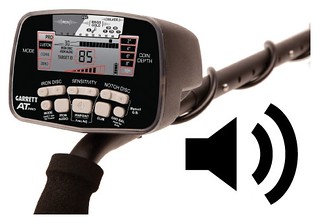
Having had the time to put some hours on the Garrett AT Pro International over a few months I've come to the conclusion that all detectors should come with a library of short audio clips to help new users to train their ears at home. Yes I know there are plenty of instructional video clips on youtube. But most of these videos have an audio stream that is out of sync with the video itself. Also many detectorists shoot videos that are far to dependent on the visual identification display on the detector itself. Im pretty sure that I'm not alone in saying that my hearing ability is far faster at processing the feedback from the machine then keeping my eyes glued to the detectors display looking at numbers that are displayed in a delayed fashion. In other words you hear the audio signal first and shortly after the display is updated. Yes the display is updated within milli seconds but I find this is enough to get on my nerves!
Anyway back to the topic of this post. The short audio clips below are examples of the feedback you get from your Garrett AT Pro International. I have used these to help me understand the makeup of the ground i am covering without the need to keep looking at the VID display. Also even though Garrett have a standard mode they recommend to new users I'd say just skip this mode and head straight into Pro Audio and learn from there.
I have included the STD audio clips just for reference.
So I hope someone might find these useful enjoy.
Garrett AT Pro International Pro Audio Mode
Garrett AT Pro International High Tone Pro Audio Mode
Garrett AT Pro International Iron Audio Bottle Top Sample Pro Audio Mode
Garrett AT Pro International Iron Audio Coin Sample Pro Audio Mode.
Garrett AT Pro International low Tone Pro Audio Mode
Garrett AT Pro International Medium Tone Pro Audio Mode.mp3
Garrett AT Pro International Proportional Audio
Garrett AT Pro International Tone Roll Audio Demo Pro Mode Bottle Cap Tone Roll Example
Garrett AT Pro International Standard Audio Mode
Garrett AT Pro International Tone Roll Audio Demo STD Mode Bottle Cap
Garrett AT Pro International Tone Roll Audio Demo STD Mode US Nickel
Garrett AT Pro International Tones High Tone STD Mode
Garrett AT Pro International Tones Low Tone STD Mode
Garrett AT Pro International Tones Medium Tone STD Mode.
Labels:
all metal mode,
at pro,
audio,
automatic,
bottle top,
circuitry,
detecting,
display,
garrett,
High,
iron,
low,
pattern,
roll,
Tone,
VID,
visual
Subscribe to:
Posts (Atom)