Not long ago, I got into metal detecting when I received a Bounty Hunter QuickSilver as a gift. It was a low end metal detector, but I quickly became fascinated with this hobby. I quickly knew that I wanted to get a new metal detector that would do a better job of detecting and identifying objects in the ground. I chose to purchase the Garrett AT Pro metal detector after doing much research, and I can't tell you enough how much I love this machine.
The Bounty Hunter model was a pretty basic model. Don't get me wrong, it worked just fine but did not reveal much information about the target that it detected. I spent way too much time digging up objects that ended up just being trash. This detector really helped me to realize that this was a hobby I am very interested in, and would continue to pursue. Like with all my hobbies, I found myself wanting to use quality gear. Quality gear that offers more capabilities leads to a more enjoyable experience and better results. If I was going to spend the time outdoors searching for 'my treasures', then I wanted to have the best gear that I could justify purchasing, and get the best results for my time.
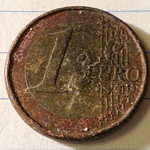
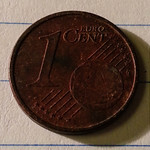
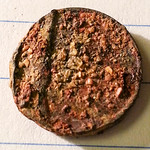
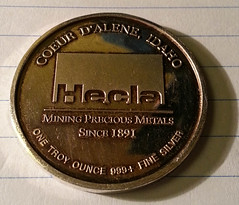
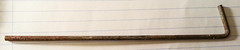
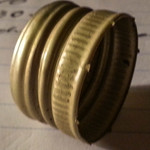
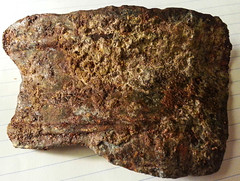
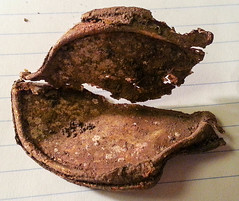
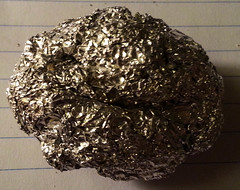
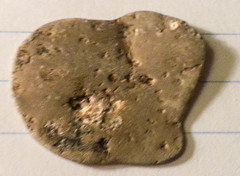
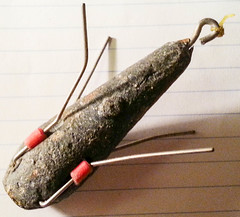
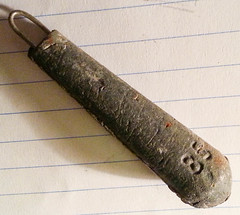
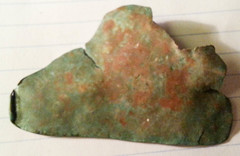
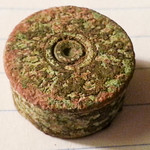
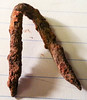
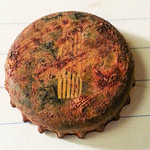
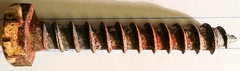
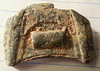
I have found lots of coins, several pieces of jewelry, and many other cool things with my AT Pro. You can see some of them in the photo gallery below. I even had the opportunity to reunite a girl with her lost wedding ring after answering an ad that they posted looking for someone with a metal detector. The smile on her face when she was reunited with her lost ring was almost as gratifying as the thrill that came with finding it.
So why did I choose the Garrett AT Pro, when there are so many more metal detectors on the market that cost less? Let's take a closer look at the Garrett AT Pro's features and benefits, and see why I ended up choosing this model.

My Metal Detector Research - Learn before you invest.
I started off like everyone else, looking at the Amazon reviews, reading about metal detectors on the manufacturers' websites, and reading about what other people had to say in metal detecting forums. I had originally set a budget of $400.00 for my new purchase, and was looking at models within that price range. I was serious about getting into this hobby, and willing to spend a bit of money to get the right gear. At the time, this price range did not include the Garrett AT Pro, which costs right at $600.00.
I found several models that I liked, which included the Fisher F2 and the Garrett Ace 350, but was leaning toward the Ace 350. I liked the look and feel of this machine, and the feature set that it offered. It had great reviews and there were lots of people in the metal detecting forums that had great things to say about it. Though I noticed that most of the people in the forums that had good things to say about it were using the Garrett AT Pro. You see, in the online metal detecting forums, it is a common practice for the forum members to put the type of metal detector (along with some bragging about their metal detecting finds) in their forum signature. I kept seeing the Garrett AT Pro model popping up everywhere.
What really helped me make up my mind is when I consulted with another metal detectorist that lives in my home state of Kentucky. I had been watching a lot of his YouTube videos of his metal detecting hunts, and could see that he definitely knew his stuff. This guy used the top of the line MineLab equipment that was definitely out of my price range.
I approached him for guidance about metal detector selection and what my price range was. He spent a lot of time communicating with me about my options and offering advice. He told me that the selection of a metal detector is often where the biggest mistake is made for people who were serious about getting into the hobby. He told me that I really needed to stretch my budget by a couple of hundred dollars, and make the Garrett AT Pro the low end model of my metal detector options. He stated that it had features and performance that rivaled many of the more expensive detectors on the market today. The main reason he recommended this model though is due to the amount of iron in the soil here in Kentucky, and the Garrett AT Pro's advanced iron circuitry does a great job with discrimination. He told me how less expensive metal detectors can work just fine, but they come with 3 to 5 times the frustration level. He also stated that "This detector 'holds its own' with $1500-1800 metal detectors all day."
So after receiving this advice from someone that I trusted, I did my due diligence and performed more research on the AT Pro. I went to Garrett's website, and watched all of their instructional videos, read all of their literature, and reviewed all of the specifications of this model. I'll give you a closer look at the specifications and features that attracted me below, but by the time I had completed this research, I had made my decision.
Garrett AT Pro Specs
What attracted me and why.
I set out to find a metal detector that would perform well, have great quality components, and suit my needs for many years to come. Here are some of the key features about the Garrett AT Pro that really attracted me to this model.
Pro Mode Audio - In pro mode, you get to hear variable tone for what type of target is detected beneath the ground. The strength of the tone varies depending upon the depth as well. I love this because you don't always have to be looking at the LCD screen. You can let your ears do the work.
High-Resolution Iron Discrimination - You can set the amount of iron discrimination to one of 40 levels. This gives you the ability to tune out junk signals depending upon your needs.
Digital Target ID - When a signal is detected, a two digit numeric target ID is displayed on the LCD screen. This gives you the ability to distinguish one target from another based on its conductivity.
Fast Recovery Speed - When there are multiple targets in the ground, the AT Pro recovers quickly allowing it to detect multiple targets that are close to each other. This is great for trashy areas.
Waterproof to 10 Feet - This detector can be submerged to a depth of 10 feet. You need waterproof headphones for this. Lots of great stuff can be found in lakes and streams, and these are places that other metal detectorists typically can't take their metal detectors.
Operates at 15 kHz - Operating at this frequency allows this detector to identify small targets, gold, and jewelry that other metal detectors have trouble identifying.
Ground Balancing - You have the ability to automatically or manually ground balance this metal detector. This allows for compensation of mineralized soils or sand to allow items to be detected more easily.
Pinpointing Capability - The AT Pro has a pinpoint button that allows you to detect the exact location of where the object is buried. When you know exactly where to dig, you spend less time digging and can dig smaller holes.
Coin Depth Indicator - The Garrett AT Pro does a great job of estimating the depth of a coin sized object that is detected. Armed with this information, you know how deep you need to be digging to locate your object.
(Image Credit to InterRev - Personal Photo)
Learning About the Garrett AT Pro Metal Detector

The Garrett company recommends that you start off using the AT Pro in standard mode for at least the first 10 hours of operation, and that you dig every target that you detect. While this will have you spending a bunch of time digging junk targets, it is beneficial because it allows you to learn the type of signals that are associated with each object you find in the ground.
To be honest with you, I didn't make it but maybe an hour on standard mode before I switched over to pro mode. Since I have already used metal detectors in the past, I felt that this shortened my learning curve. I wanted to get right into pro mode as soon as possible so that I could start using the advanced features of this machine. I felt that all of the video training helped to jump start me anyway, and I was ready to "go pro".
I quickly learned to scan a detected object from multiple angles to see if the signal remained consistent. Utilizing the pinpointing feature of this detector from multiple angles also assisted in determining the precise location of the object in the ground. Learning to pinpoint an object accurately allowed me to dig smaller, precise holes. It also shortened the amount of time required to locate and recover the detected object.
I have become very proficient with my AT Pro in a short period of time, but every outing is a learning opportunity that teaches you something new though.
My Thoughts About the AT Pro
The Perspective From an AT Pro Owner and User
The short answer is that "I Love It".
While I don't want to bash the Bounty Hunter model that I started with, this AT Pro just offers so much more capability. The signals that it provides almost paints a picture as to what lies beneath the surface.
I am most impressed with the pinpointing capability, that allows it to identify the exact spot to dig. With my old detector, I often missed the mark and had to continue digging my hole wider and wider until I located the object.
I do a lot of hunting for coins (referred to as coin shooting), and the Garrett AT Pro consistently identifies the denomination of the coin before I ever start to unearth it. As with any metal detector, it doesn't get this right 100% of the time, but more often than not it is on the money!
I guess the biggest benefit that I get from using the AT Pro, is that it instills confidence in me. I know this is a quality metal detector with quality electronics. Based on what it tells me and the education that I have received on using it, I am very confident that the targets I choose to dig won't be trash. Time spent digging good targets instead of trash targets makes for a much more enjoyable (and profitable) experience. And that my friend, was worth spending the extra money that I had not originally budgeted for.
I guess the biggest benefit that I get from using the AT Pro, is that it instills confidence in me. I know this is a quality metal detector with quality electronics. Based on what it tells me and the education that I have received on using it, I am very confident that the targets I choose to dig won't be trash. Time spent digging good targets instead of trash targets makes for a much more enjoyable (and profitable) experience. And that my friend, was worth spending the extra money that I had not originally budgeted for.
Taken from: Here