Showing posts with label silver. Show all posts

Wednesday, 5 November 2014

Beach metal detecting secrets – Lugworms

I have been metal detecting on the beach for many years and in that time I have picked up some great tips and little secrets to increasing my finds on the beach.

All beaches can be different and you need to adapt these secrets to your given beach. With this in mind, here’s an interesting beach metal detecting secret I want to share with you. It will help you find more and it has certainly helped me over the years.


Look for the deep Lugworm
Yes, you read it correctly, ‘look for the deep lugworms’, which give their positions away with their sandy worm casts.

Believe it or not, the beach Lugworm can help you find those deeper and possibly more valuable finds, but How, I hear you ask?

It’s fairly simple but an effective way of finding areas to possibly concentrate on. The dark black sand that lies beneath the soft shifting sands of the upper layers of the beach can be very productive for finds of all sorts. This is because this hard packed dark sand traps finds that have worked their way through the finer upper sands and is usually out of the reach of beach metal detectors. The finds in these darken hard packed sands have also been there for some time, out of the reach of most metal detectors.

This layer of hard dark sand can lay undisturbed for years and only be brought into range of your detector by some of the violent winter storms. They can also be brought into range by the gentle erosion on some beaches which you would not notice if it wasn’t for the humble Lugworm.

Lugworm dig down into the sand and they can give away some clues to the dark dark sand beinglugworm near the surface in the form of worm casts on the beach.


We have all walked along the beach at some point and seen the Lugworm casts that resemble coiled worms made of sand.This is the Lugworm digging down into the sand and pushing the sand out in the form of these coiled casts. The worms don’t stop when they reach the darker sand and as a result the worm cast on the beach show the pushed out sand from these dark layers.

As a result, it gives away the position of the dark, hard packed sand near the surface. Not all beaches have lots of Lugworms or the correct conditions. If the beach does hold a Lugworm population, I would always advise you to keep your eyes open for the signs, and those darker Lugworm casts.

The dark hard packed sand is nearer the surface and could hold some great finds, it will certainly hold the older finds. This is one of my odder metal detecting secrets, but one that has helped on certain beaches.

Taken from: Here

Thursday, 21 November 2013

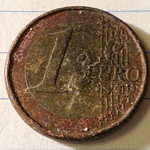
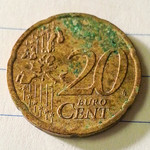
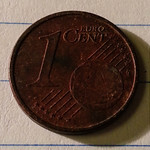
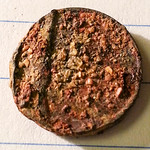
Targets Used For Testing

There are the targets I've set aside for air testing my detectors.


Target

Target Image

Note

1 Cent

Clean Coins
2 Cent

Clean Coins
5 Cent

Clean Coins
10 Cent

Clean Coins
20 Cent

Clean Coins
50 Cent

Clean Coins
1 Euro

Clean Coins
2 Euro

Clean Coins
€1

Beach Find
€2
Beach Find
20c (Euro)

Beach Find
1c (Euro)

Beach Find
1c (Euro)

Beach Find V Worn
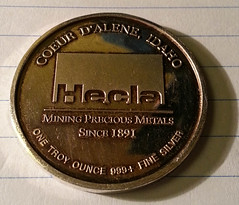
Large Silver

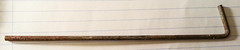
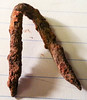
Steel Tent Peg

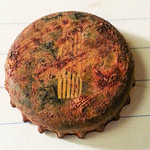
Wine Bottle Top

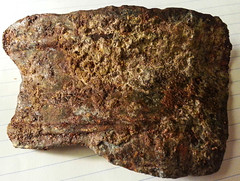
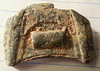
Chunk of Cast Iron

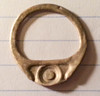
Old Pull Tab (Beavertail)

(no tail)
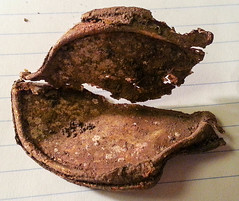
Junk Drinks Can

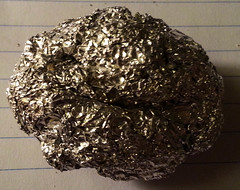
Ball of Tin Foil

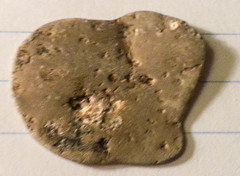
Piece of Worn Alu

Chunk of Very Worn Iron

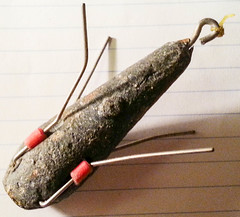
Large Lead Sinker+Steel Barbs

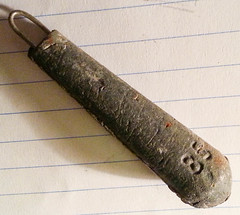
Medium Lead Sinker

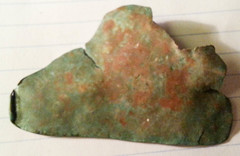
Copper Plate >.5mm

Plastic Coated Copper Wire

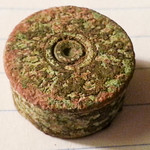
Old Shotgun Cap

Rusty Nail

Beer Bottle Top

Medium Fishing Swivel

Eyelet (from Jacket or Tent)

Modern Alu Pull Tab

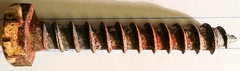
Steel Bolt

Diecast Toy Part

Fabric Covered Button

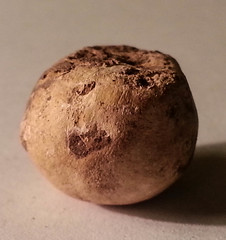
Lead Ball/Musket Ball

Belt Buckle

Wednesday, 20 November 2013

Minelab Quattro Target ID Bench Test and Review


Having recently purchased a used Minelab Quattro I was left feeling a little deflated after seeing the various reviews pointing out the units slow recovery time between targets. On top of this figuring what the target icons actually related to here in Ireland. So here is the data that I have.
All the information here is first hand. Taken in all metal mode with zero discrimination.


Minelab Quattro's recovery time. Its better than you think.

Minelabs Quattro's are considered to have very slow recovery times. While this appears to be somewhat true with regards to the preset search modes that supply the user with graphic target icons. If on the the hand the user runs the unit in "All Metal Mode" the recovery time between targets is more than acceptable and on par with other brands of machines of the same approx age. Numbers on the display are more or less the same weather using conductivity or fe detection modes. Reading stability is really good for this machine I find that some other brands can jump around like crazy example swinging over a target the display may jump between 20-21 for instance, But another machine (Garrett AT Pro International) may jump to many numbers all over its display range. Granted the Garrett AT Pro is far more sensitive to the composition, Shape and size of the target.
So the bottom line is that the Minelab Quattro is a fine machine that can be picked up for a more than reasonable price, it works well on land or along the beach so I'll be hanging on to mine for a good while to come.